

Osteoporosis Prevention & Treatment: Bone Health Guide Tips
Osteoporosis is a common condition that weakens bones, making them fragile and more likely to break. steoporosis is often called the “silent thief,” quietly weakening bones until a fracture suddenly changes someone’s life. Many people do not realize they have osteoporosis until a fracture occurs, which is why early awareness is important. Understanding the causes, symptoms, and ways to prevent osteoporosis can help you maintain strong bones, reduce your risk of injury, and support long-term bone health.
Osteoporosis is a serious medical condition in which bones become weak, brittle and porous due to the loss of calcium and other minerals. According to the International Osteoporosis Foundation, it affects an estimated 200 million people worldwide, resulting in one in three women and one in five men over 50 suffering a bone fracture related to osteoporosis in their lifetime. It is most common in post-menopausal women and older adults but can affect anyone of any age. It can cause fractures, pain and even disability, as well as an increased risk of developing other conditions such as arthritis. A fracture in older age can lead to reduced mobility, loss of independence, and even higher risk of other health problems. In lower-income settings, where access to medical care might be limited, prevention and early detection are especially crucial. Osteoporosis is caused by a combination of factors including genetic predisposition, lack of exercise, inadequate intake of calcium and vitamin D, certain medications and lifestyle choices such as smoking and alcohol consumption. There are treatments available to help manage symptoms and reduce the risk of further damage to bones. Regular physical activity, adequate nutrition and lifestyle changes can help prevent osteoporosis from developing or worsening.
Who’s at Risk? Spotting the Silent Signs
Osteoporosis doesn’t discriminate, but some people face higher risks than others. Let’s break down who should pay special attention:
-
Older Adults: Bone density naturally decreases with age, particularly after menopause in women.
-
Men over 70: While more common in women, men are also affected, especially as they age.
-
Low Calcium or Vitamin D Intake: Diets low in these nutrients, frequently seen in underserved communities, raise the risk.
- Sedentary Lifestyles: Lack of weight-bearing exercise speeds up bone loss.
Certain Medications: Some treatments for chronic conditions (Long-term use of steroids) can impact bone health.
Smoking or excessive alcohol use
Family History: Family history of fractures. Genetics also play a role.
Female gender: Aging (especially after menopause)
Osteoporosis progresses quietly—people often have no warning until a minor fall leads to a fracture. This is why regular screenings and staying alert to subtle warning signs (such as unexplained back pain, decrease in height, or a stooped posture) are so important.
What happens in osteoporosis?
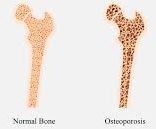
Your bones are constantly being broken down and rebuilt. With osteoporosis, bone loss happens faster than bone formation, leading to decreased bone density.
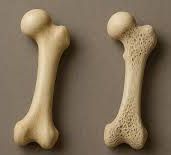
Tiny holes in the bones cause the bones to become fragile and less dense
Weakened bones cause the bones to break easily
A major cause of broken bones in the elderly
Fractures can cause very serious complications in the elderly such as
- Blood clots
- Slow healing
- Immobilization
- Loss of independence
A diet rich in protein, calcium and vitamin D is crucial
Calcium helps protect the bones
Vitamin D helps the body absorb calcium
Fractures can occur easily such as bending and minor falls
Bone mineral density test is used to diagnose osteoporosis
Protecting Your Bones: Actionable Tips for Every Community
Good news: there are practical, affordable ways to lower osteoporosis risk and support healthier bones at every age.
1. Boost Calcium and Vitamin D Intake
Choose foods rich in calcium (low-fat dairy, sardines, leafy greens) and vitamin D (fish, fortified foods, safe sun exposure).
If access to fresh produce or supplements is a challenge, look for local food pantries and community programs that help meet nutritional needs.
2. Move Your Body
Weight-bearing activities like walking, dancing, gardening, or even simple chair exercises strengthen bones.
Join a local or online walking group—even short daily strolls make a difference.
3. Prevent Falls at Home
Remove loose rugs, keep walkways clear, and install grab bars in key areas.
Encourage loved ones to wear sturdy shoes and address vision or balance issues early.
4. Get Regular Screenings
Ask your healthcare provider about bone density testing (such as a DXA scan), especially if you’re over 65 or have multiple risk factors.
Free or low-cost screening events are sometimes available through local clinics—Patient Information Corner can help you find options near you.
5. Stay Connected
Join support groups (in-person or online) to share experiences and build healthy habits together.
Caregivers: Encourage regular movement and socialization, and support medication management as prescribed.
Breaking Barriers: Making Bone Health Accessible for Everyone
In low-income neighborhoods and rural areas, accessing bone health resources can be tough. That’s why community-driven solutions—like neighborhood walking clubs, local nutrition workshops, and online educational programs—are so valuable. Patient Information Corner connects individuals and families to:
- Trusted, easy-to-understand information about osteoporosis and prevention
- Accessible online support groups and peer communities
- A curated health marketplace, with affordable supplements and assistive items
- Convenient appointment booking with nearby clinics for screenings and checkups
Our mission is to ensure that high-quality bone health care and information is never out of reach, no matter your background.
Debunking myths about Osteoporosis
Osteoporosis is surrounded by a lot of misconceptions that can affect how people prevent and manage it. Here are some common osteoporosis myths and the facts behind them:
1. “Only elderly people get osteoporosis”
Myth: It only affects people in their 70s or 80s.
Fact: Bone loss can begin much earlier, often in the 30s–40s. Older age increases risk, but prevention starts young.
2. “Only women get osteoporosis”
Myth: It is a women-only condition.
Fact: Men can also develop osteoporosis, especially after age 65 or with low testosterone, smoking, or steroid use.
3. “If I don’t feel pain, my bones are fine”
Myth: No pain means no problem.
Fact: Osteoporosis is often called a “silent disease” because bone loss happens without symptoms until a fracture occurs.
4. “You only need calcium to prevent it”
Myth: Calcium alone is enough.
Fact: Calcium is important, but vitamin D, protein, exercise (especially weight-bearing activity), and hormones also play major roles.
5. “Breaking a bone means I must have osteoporosis”
Myth: Any fracture = osteoporosis.
Fact: While fractures can be a sign, not all broken bones are due to osteoporosis. Diagnosis requires a bone density scan.
6. “Exercise will damage weak bones”
Myth: Movement is risky if bones are fragile.
Fact: Proper exercise actually strengthens bones and reduces fracture risk. Sedentary lifestyle worsens bone loss.
7. “Osteoporosis is inevitable with aging”
Myth: Everyone will get it eventually.
Fact: Age increases risk, but it is not inevitable. Lifestyle choices and early prevention make a big difference.
8. “If I take medication, I don’t need lifestyle changes”
Myth: Drugs alone are enough.
Fact: Medications help, but diet, exercise, fall prevention, and avoiding smoking/alcohol are still essential.
Key fact: Osteoporosis is a progressive condition that weakens bones over time.
Take Action Today
Are you ready to take the next step toward better bone health?
Visit Patient Information Corner to:
- Learn more about osteoporosis prevention
- Join our supportive community groups
- Find affordable supplements and health products
- Book a screening or connect with a healthcare provider near you
Share your story or ask your questions in the comments below—your voice could inspire someone else to start their journey, too!
Take the First Step to Strengthen Your Bones and Your Community
Osteoporosis may be silent, but the impact of acting early is loud and clear. By understanding your risk, staying proactive with nutrition and movement, and connecting with your community, you can help prevent fractures and maintain independence for yourself and your loved ones.
Small changes—like a daily walk, improved diet, or sharing resources with a neighbor—add up. You’re not alone on this journey, and together, we can strengthen bones and communities alike.
Disclaimer: The information provided in this content is for general informational purposes only. It is not intended as medical or healthcare advice, diagnosis, or treatment. Always seek the advice of a qualified healthcare professional with any questions you may have regarding a medical condition or healthcare decisions.
