


Saint Lucia Birth Rate: Current Stats & Causes
Saint Lucia’s birth rate has become an important topic in understanding the island’s changing population and healthcare needs. In recent years, the number of births has steadily declined, reflecting shifts in family planning, economic pressures, and lifestyle choices. By examining trends in Saint Lucia’s birth rate, communities, policymakers, and healthcare providers can better prepare for future demands and develop strategies that support families and improve maternal and child health outcomes.
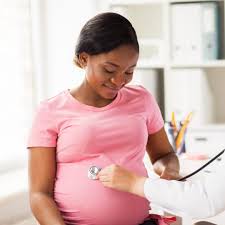
When we talk about Saint Lucia’s future, there is perhaps no topic more intimate—or more impactful—than the choices families make about having children. Behind every fertility statistic is a story: the dreams of young couples, the courage of pregnant women, the dedication of healthcare professionals, and the passion of family health advocates.
Understanding Saint Lucia’s fertility rate means more than tracking numbers—it means exploring how social shifts, economic realities, and evolving values shape how families grow, plan, and thrive. Whether you’re starting—or supporting—a family, these trends have a real impact on our daily lives and our collective future.
What Is the Fertility Rate, and Why Does It Matter for Saint Lucia?
The “fertility rate” measures the average number of children a woman is expected to have in her lifetime. In Saint Lucia, the current fertility rate is about 1.5 children per woman (according to the United Nations Population Division, 2023), significantly below the “replacement level” of 2.1 that keeps a population size steady.
Why does this matter?
- For families: It means more decisions to weigh—around timing, economic readiness, and life balance.
- For communities: Lower fertility rates can create opportunities for enhanced resource distribution, but also bring challenges, such as a gradually aging population and future workforce shortages.
- For healthcare professionals: The changing landscape requires new strategies for maternal and child health, reproductive services, and community education.
Between 2015 and 2024, Saint Lucia’s fertility rate among women aged 15 to 44 dropped from 1.58 to 1.13 births per 1,000 women, well below the replacement level of 2.1 required to sustain the population. Consequently, the number of live births decreased from 1,902 in 2018 to 1,434 in recent years. Saint Lucia Daily Post
This trend is part of a broader pattern observed globally, where many countries are facing declining fertility rates, leading to aging populations and potential economic challenges.
Why Are Fertility Rates Declining in Saint Lucia?
Saint Lucia’s fertility rate isn’t falling in isolation—it’s reflecting broader shifts in Caribbean society and the world.
1. Empowerment and Education
Women and couples today are empowered with greater educational and professional opportunities:
- More women are pursuing higher education and careers, leading to later marriage and childbearing.
- Delayed marriage and childbirth often follow increased educational attainment.
2. Economic Considerations
- The high cost of living, education, and healthcare has risen, making prospective parents carefully consider their readiness.
- Families make conscious decisions to have fewer children to invest more resources in each one. Many families report prioritizing financial stability before expanding.
3. Improved Family Planning
- Access to reproductive healthcare and family planning services is better than ever. Couples now have the tools to plan pregnancies according to their unique circumstances.
4. Changing Social Norms
Family structures and expectations are evolving:
- There’s growing desire for smaller families, and the high costs associated with raising children (education, healthcare).
- Urbanization: A significant portion of the population lives in urban areas, where larger families are often less economically beneficial.
- Emigration of Young Adults: Saint Lucia has a history of outward migration, particularly of its working-age population, which can depress birth rates.
Implications of a Declining Birth Rate
A sustained low fertility rate leads to:
- Future Population Decline: Without immigration, the native-born population will eventually shrink.
- Strain on Social Systems: Pressure on pension systems, healthcare, and social services for the elderly, with a potentially smaller tax base to support them.
- Labor Market Changes: Potential future shortages in the workforce, which may need to be filled by immigration. A declining birth rate can result in a smaller workforce, potentially hindering economic growth and innovation. Wikipedia
- Aging Population: With fewer births, the proportion of elderly individuals in the population increases, leading to a higher dependency ratio. This shift can strain healthcare systems and pension schemes. Wikipedia
- Economic Impact: Reduced population growth can lead to decreased demand for goods and services, affecting businesses and potentially leading to economic stagnation. Wikipedia
Actionable Tips and Resources for Families
If you’re thinking about parenthood or are already on the journey, here are steps to help you navigate confidently:
- Start With a Healthcare Professional: Schedule regular checkups with a trusted professional. Early support makes a difference for both parents and children.
(You can easily book appointments or find practitioners via Patient Information Corner.) - Get Involved in Community Programs: Local prenatal classes and support groups offer education, camaraderie, and a place to share experiences.
- Plan Financially: Consider future costs and create a family budget.
- Use Reliable Information: Online resources like Patient Information Corner provide up-to-date guidance and tools for every stage of family planning.
- Be Open to Your Unique Path: Every family is different. Whether you are planning now or in the future, your journey matters. Support and information are within reach.
Saint Lucia’s declining birth rate is a multifaceted issue with significant implications for its future. Addressing this challenge requires a comprehensive approach that includes policy reforms, healthcare improvements, and societal engagement to ensure a sustainable and prosperous future for the nation.
Saint Lucia’s declining fertility rate is more than just a statistic—it’s a reflection of the island’s evolving opportunities, values, and dreams. While challenges exist, we also see a dynamic, hopeful future where families have greater choices—and more support—than ever before.
Share your story, connect with others, and let’s nurture a healthier future together.
Disclaimer: The information provided in this content is for general informational purposes only. It is not intended as medical or healthcare advice, diagnosis, or treatment. Always seek the advice of a qualified healthcare professional with any questions you may have regarding a medical condition or healthcare decisions.
