

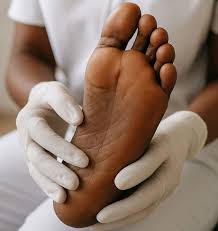
Step Confidently: The Essential Guide to Foot Care for Every Walk of Life
Caring for your feet is about more than comfort—it’s about quality of life, independence, and keeping pace with everything that matters most. Whether you’re managing the demands of caregiving, navigating diabetes, striving for athletic goals, or simply getting through long workdays, your feet are the foundation of your wellbeing. Despite this, foot care often takes a back seat—until problems appear.
Foot care is important for everyone, but particularly for people with diabetes, as they are at a higher risk of developing foot problems. It’s important to talk to your healthcare provider if you have any foot problems or concerns, as they can recommend additional foot care strategies or refer you to a podiatrist if necessary.
Good foot care helps prevent:
- Infections
- Corns, calluses, and cracks
- Ulcers (especially in diabetics)
- Pain and mobility issues
Imagine Jane, an active grandmother and long-time caregiver, who began noticing tenderness in her arches. She brushed it off as a normal part of aging, only to find herself sidelined by persistent pain that hampered her ability to care for herself and her loved ones. Similarly, Carlos, a busy professional with type 2 diabetes, ignored a small blister on his toe—an oversight that led to infection and weeks of missed work.
These stories echo a crucial truth: problems that start small can escalate quickly, particularly for those with chronic illnesses or increased activity levels. For diabetics and older adults, even minor wounds can lead to serious complications, sometimes threatening mobility itself.
Healthy feet are key to steady, pain-free movement, greater independence, and an active, fulfilling life. Regular attention and informed choices can prevent most common issues before they disrupt your routine.
Know Your Foot Type: Tailoring Care for Unique Needs
No two pairs of feet are exactly alike. Personalized care not only feels better—it helps prevent injury and discomfort.
- For Elderly Caregivers and Older Adults: Aging feet often lose padding and can flatten. Supportive, cushioned shoes with non-slip soles and a roomy toe box prevent pressure sores and falls.
- For Diabetes Patients: Choose seamless footwear to avoid blisters, and check fit daily—nerve changes can reduce your ability to sense minor injuries.
- For Athletes and Runners: Invest in shoes with proper arch support and shock absorption. Rotate shoes and replace them regularly to prevent overuse injuries.
- For Working Adults: Look for breathable materials and arch support, especially if you stand for long periods.
Measure your feet periodically (they can change with age or weight fluctuations) and prioritize comfort over fashion. Even small mismatches in fit can lead to calluses, corns, or worse.
Daily Foot Care Habits: Small Steps, Big Results
Routine care can make a world of difference—easy habits that add up to long-term health:
- Wash and Dry Thoroughly: Use warm water and gentle soap. Moisture between toes breeds infection, so dry carefully.
- Moisturize—But Not Between Toes: Prevent cracked heels and calluses but, keep the area between the toes dry.
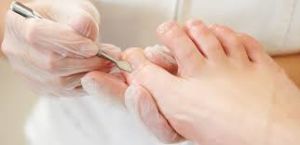
- Trim Nails Straight Across: Avoid ingrown toenails by not cutting too short or rounding the edges.
- Inspect Daily: Use a mirror or ask for help if needed. Look for swelling, redness, cuts, or color changes—especially if you have diabetes or neuropathy.
- Choose the Right Socks: Opt for moisture-wicking fabrics and seamless construction. Change them daily, or more often during intense exercise.
- Alternate Shoes: Let them air out and reduce risk of fungal infections.
Example: Mike, a marathon runner, avoided recurrent blisters by swapping to seamless socks and adjusting his lacing techniques—small tweaks with significant results.
Even with great habits, issues can arise. Catching them early is key:
- Blisters & Calluses: Usually caused by friction or ill-fitting shoes. Use pads, adjust fit, and consider moleskin for hotspots.
- Fungal Infections (Athlete’s Foot): Red, itchy, or peeling skin between toes often points to fungus. Use over-the-counter antifungal creams and keep feet dry.
- Diabetic Foot Ulcers: Never ignore a sore, blister, or cut—seek healthcare advice immediately if you have diabetes.
- Plantar Fasciitis & Heel Pain: Rest, ice, stretching, and supportive shoes help, but persistent pain warrants seeing a professional.
Did You Know?
Prompt attention to foot injuries dramatically reduces the risk of serious complications—especially for people with reduced sensation or blood flow in their feet.
Here are some Special Tips for foot care:
Check your feet daily for cuts, blisters, sores, redness, swelling, or other signs of injury. If you have difficulty seeing the bottom of your feet, use a mirror or ask someone to check for you, if you can’t see the soles.
Wash your feet daily with warm (not hot) water and mild soap, and dry them thoroughly, especially between the toes.
Rinse thoroughly and dry — especially between the toes.
Apply lotion or moisturizer to your feet to prevent dryness, but avoid applying lotion between the toes, (to prevent fungal growth) as it can increase the risk of infection.
Trim your toenails straight across and file any sharp edges. If you have difficulty trimming your toenails, ask a podiatrist to do it for you. Cut straight across — not rounded — to prevent ingrown nails. File sharp edges smoothly.
Wear proper footwear. Choose shoes that fit well, protect your feet, and provide adequate support and protection.
Check your shoes for any objects or rough spots inside that could cause injury to your feet.
Keep your blood sugar levels under control to reduce the risk of foot problems.
See a podiatrist for regular foot exams and to treat any foot problems that arise.
Have your feet checked at every clinic visit.
Wear cotton socks and change them daily.
Avoid
Soaking feet for long periods.
Using sharp tools or razor blades on calluses.
Applying strong antiseptics or medicated pads without advice.
Avoid tight shoes or those with rough edges.
Avoid going barefoot, even indoors, to prevent injury to your feet.
Avoid wearing shoes that are too tight or too loose, as they can cause blisters or other foot problems.
Never ignore numbness, tingling, or wounds — report them immediately.
Put Your Best Foot Forward
Proactive foot care empowers you to move confidently—whether that means chasing after grandchildren, running your next race, or simply getting through a demanding workday without pain. Healthy feet support independence and daily joy for every stage of life. The earlier you start, the greater the rewards.
Remember Jane and Carlos: the best outcomes start with small, mindful steps. Your foot care routine is a commitment to your health, energy, and freedom.
Take Your Next Step With Confidence
For more tips, product recommendations, and access to expert healthcare providers, explore Patient Information Corner. Join our support forums, subscribe for regular health updates, or book an appointment to discuss any concerns.
Ready to walk easier? Share your experiences or questions below and become part of our community—start caring for your feet today!
Disclaimer: The information provided in this content is for general informational purposes only. It is not intended as medical or healthcare advice, diagnosis, or treatment. Always seek the advice of a qualified healthcare professional with any questions you may have regarding a medical condition or healthcare decisions.
